

Our Services
We Offer The Best Quality Dental Services
CONSULTATION
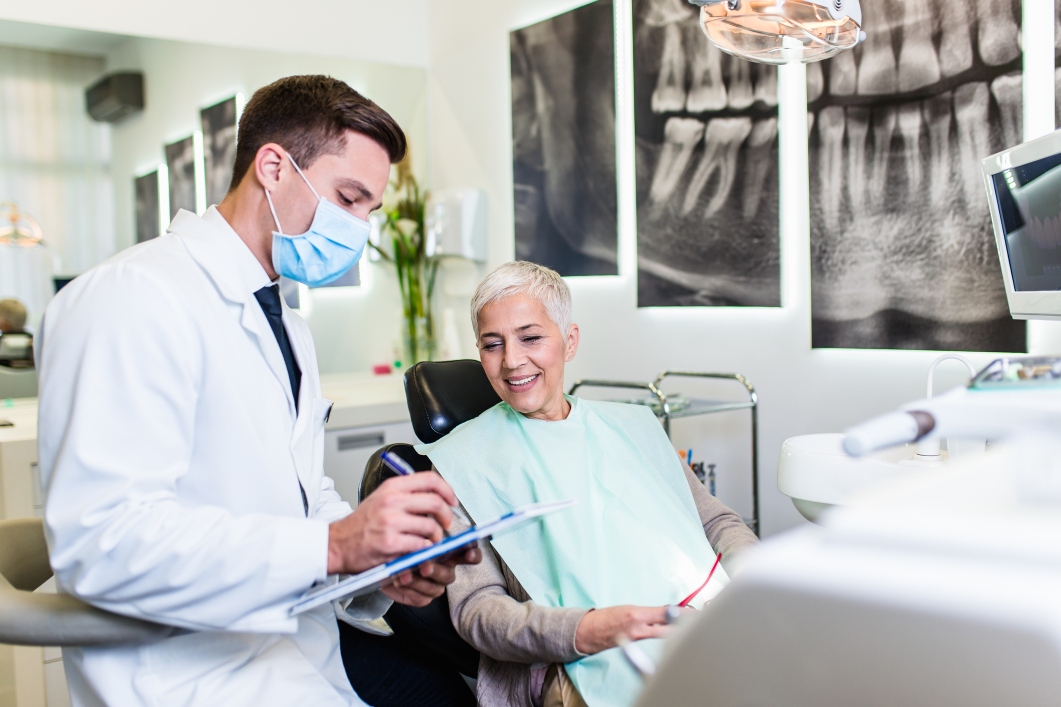
A procedure where the dental professionals carefully assesses your oral health, listens to your concerns, and provides personalized advice and treatment recommendations to help you achieve a healthy, confident smile.
₱ 300
PERIAPICAL X-RAY
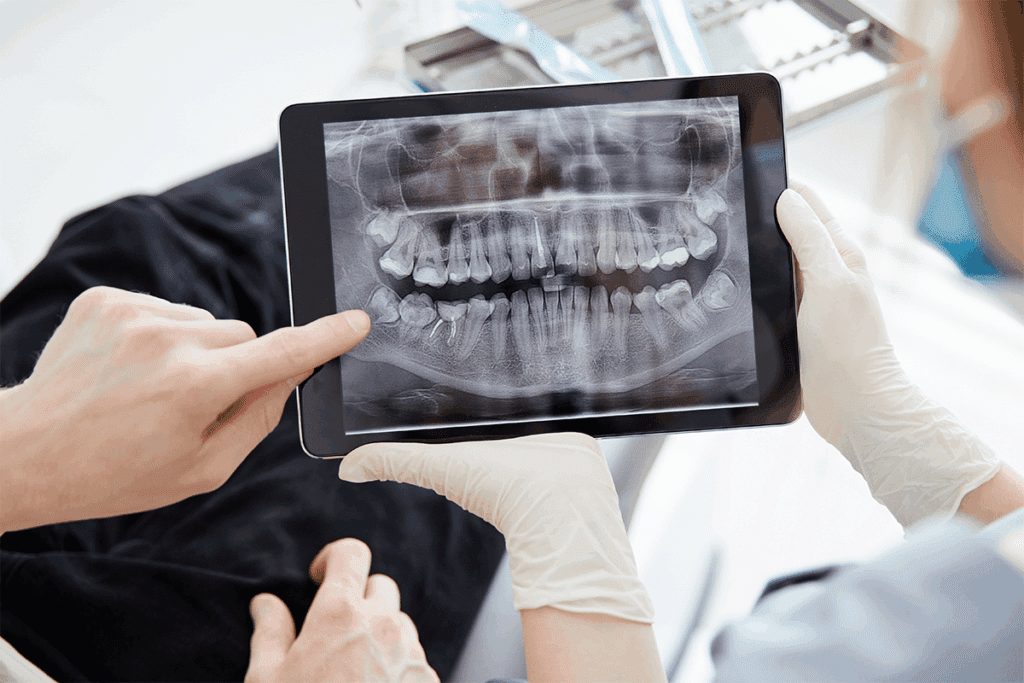
A periapical X-ray places a small sensor or film inside the mouth next to a tooth. The patient bites gently on a holder while the X-ray is taken. It shows the whole tooth and surrounding bone to help find problems like infection, abscesses, or bone loss.
₱ 400
_1767787105.jpg)
ORAL PROPHYLAXIS/CLEANING (MILD)
Oral prophylaxis (mild) is a gentle dental cleaning that removes light plaque and surface stains to maintain healthy teeth and gums.
₱ 700 - 1,000
_1767787232.jpg)
ORAL PROPHYLAXIS/CLEANING (MODERATE)
Oral prophylaxis (moderate) is a dental cleaning procedure that removes moderate plaque, tartar buildup, and stains to help prevent tooth decay and gum disease.
₱ 1,000
DENTAL VENEERS
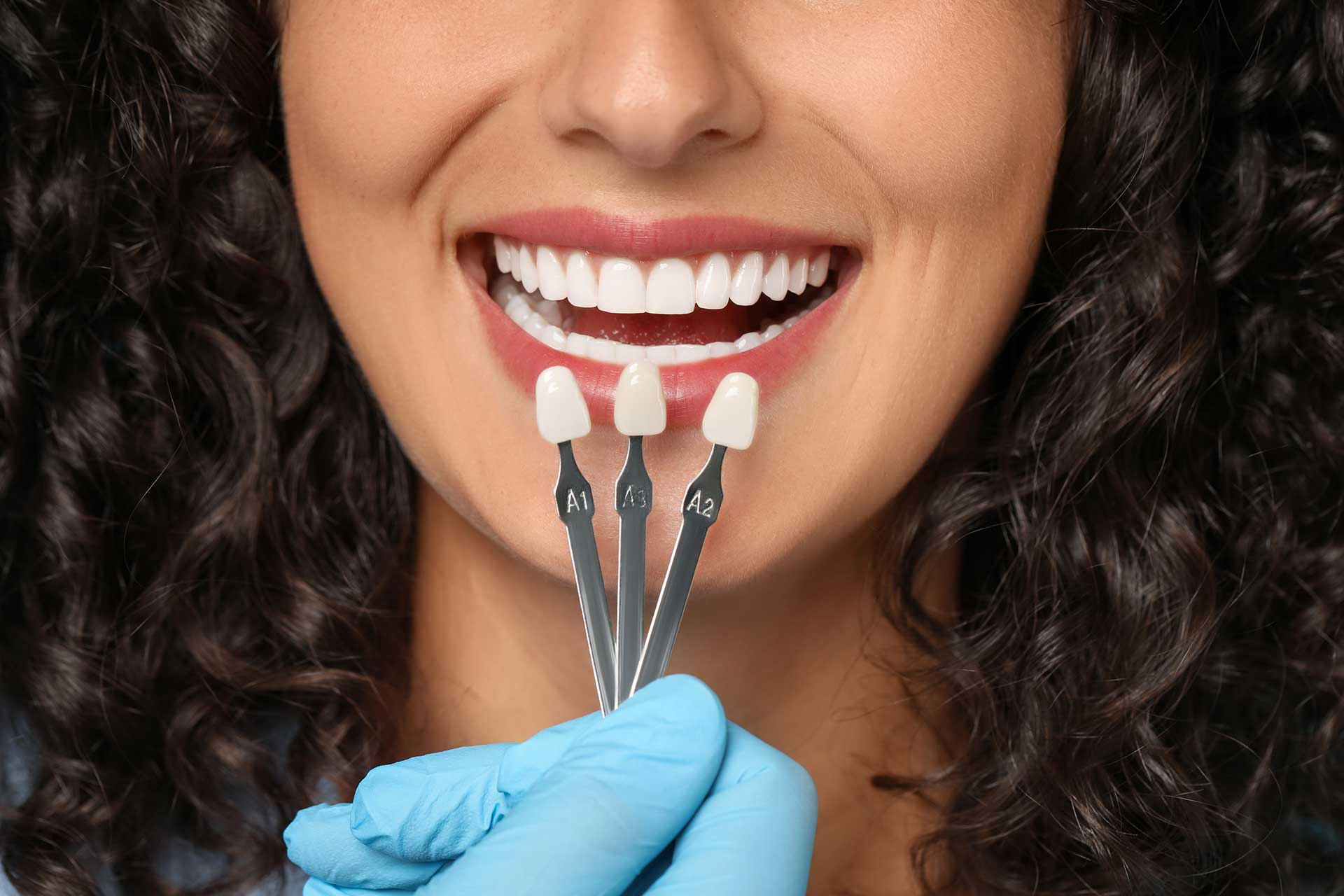
Many people are discovering the benefits of veneers. Veneers are thin coverings that are placed over the front part of the teeth.
₱ 1,000
DENTURES
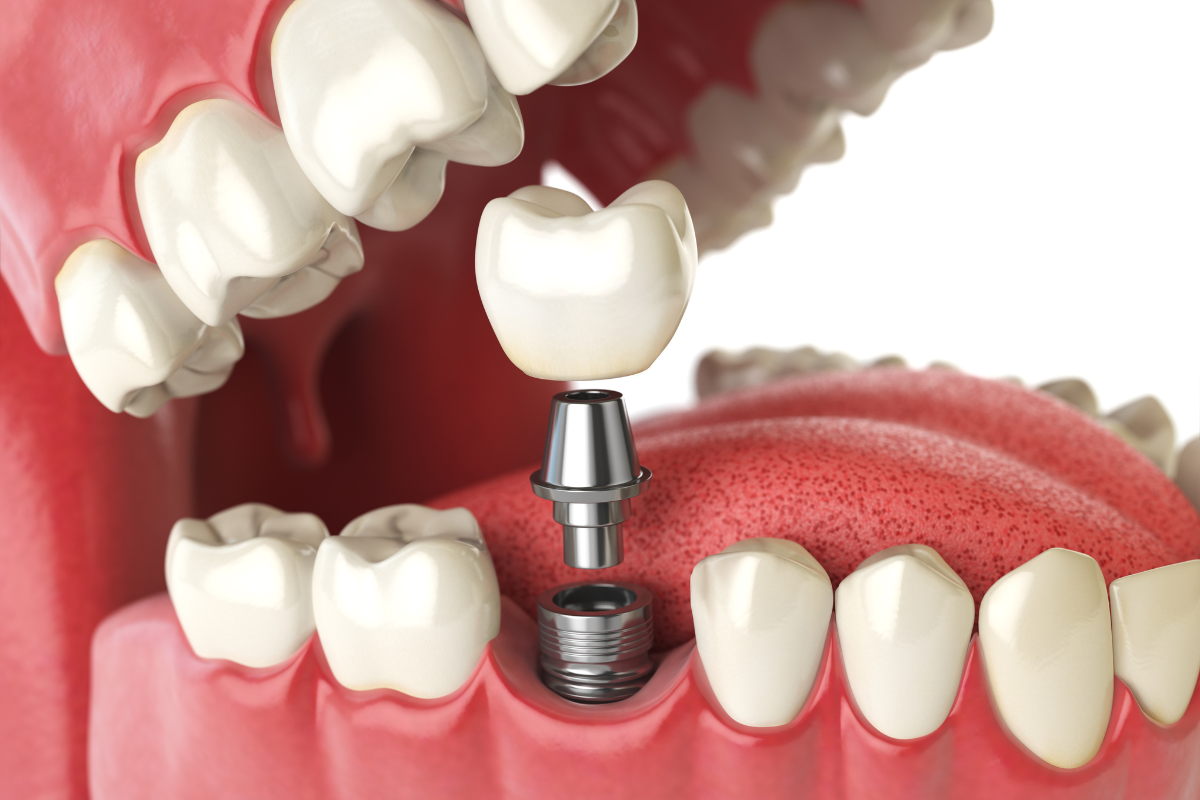
Have you lost most or all of your teeth? Dentures are removable appliances that can replace missing teeth. A complete denture is used when all of the patient's teeth are missing. A partial denture is used when only some of the teeth are missing. Today's dentures are natural looking and more comfortable than ever.
₱ 15,000 - 2,500
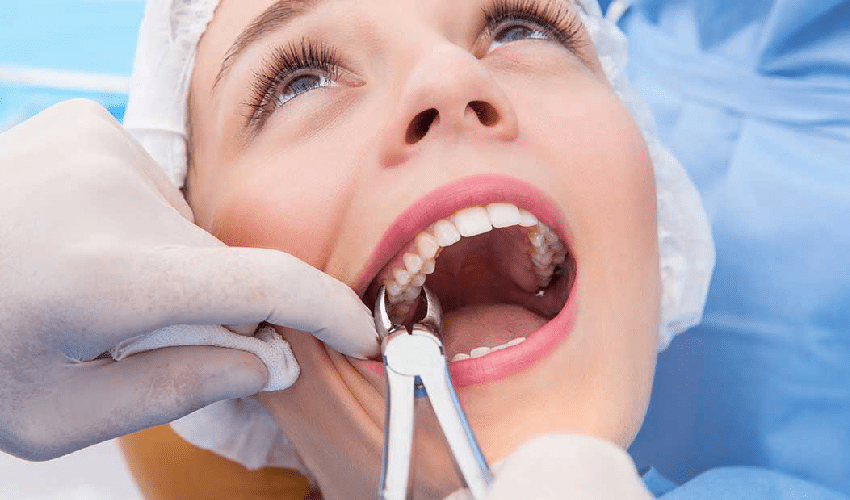
TOOTH EXTRACTIONS
A tooth extraction, or dental extraction, is the removal of a tooth from its socket in the bone. There are a number of reasons why tooth removal may be necessary. An extraction may be necessary if your tooth is so damaged that it can't be fixed with a dental restoration. In some cases, dentists extract teeth to prepare the patient's mouth for orthodontic treatment.
₱ 1,500
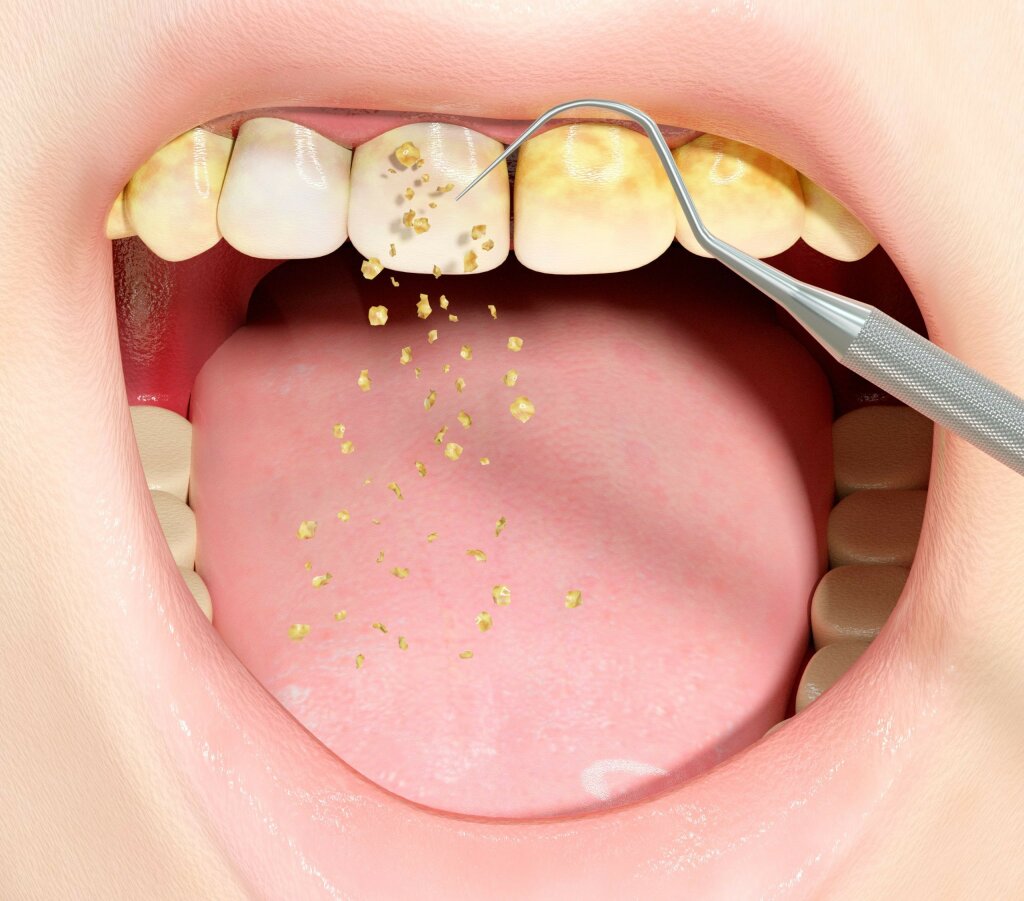
CLEANING
Example Cleaning Service
₱ 1,000
ORAL PROPHYLAXIS / CLEANING (SEVERE)
Oral Prophylaxis (severe) is a professional dental cleaning that is extended to the patients with extensive deposits of plaque, calculus, and stains, often associated with advanced gingival inflammation or periodontal involvement.
₱ 1,000-1,500
_1767963942.jpg)
FLUORIDE (CLINIC)
Fluoride (Clinic) treatment is a professional preventive dental procedure using a high-concentration fluoride agent to strengthen the enamel and prevent dental caries.
₱ 1,200-1,500
_1767964466.jpg)
FLUORIDE (HOME TRAY)
Fluoride (Home tray) therapy is a preventive dental procedure involving the application by the patient in the comfort of their homes of a prescribed dose of fluoride gel or solution contained in specially fitting trays for the purpose of preventing dental caries.
₱ 3,000-3,500
FILLING/PASTA (TEMPORARY)
Filling (Temporary) is a provisional restoration used to close and protect a tooth that is either infected with bacteria as a result of a cavity or fractured. This filling protects the tooth from bacteria and prevents it from becoming further infected until a restoration is placed.
₱ 500
FILLING/PASTA (COMPOSITE PER SURFACE)
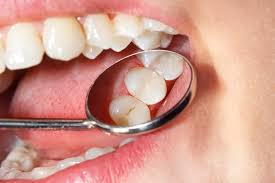
Filling (Composite per surface) is a tooth-colored dental restoration for fixing cavities or defects for one or more surfaces of a tooth, and its work is to repair a tooth or teeth and give them their shape and strength again without the color, which is done through a tooth-colored or white filling.
₱ 700-1,000
FILLING/PASTA (INLAY/ONLAY)
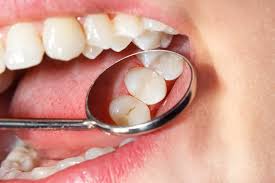
A filling (inlay/onlay) refers to an indirect complete fixed dental restoration. This is a filling carried out in a laboratory. The filling is placed inside the tooth to restore moderate to extensive decay and damage. This increases tooth strength and functionality.
₱ 5,000-6,000
TOOTH EXTRACTION/BUNOT (REGULAR)
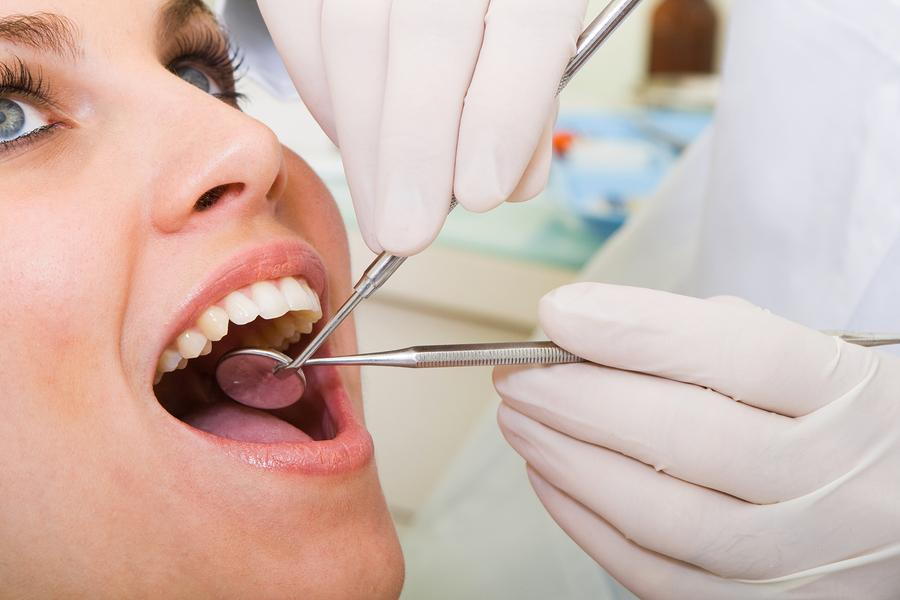
Tooth Extraction (Regular) is the conventional surgical dental procedure where a badly decayed, infected, periodontally diseased, or crowding tooth is removed from its supporting socket. The treatment is performed under local anesthesia to provide comfort and followed by necessary post-extraction management to ensure a proper healing process.
₱ 500
TOOTH EXTRACTION/BUNOT (COMPLICATED)
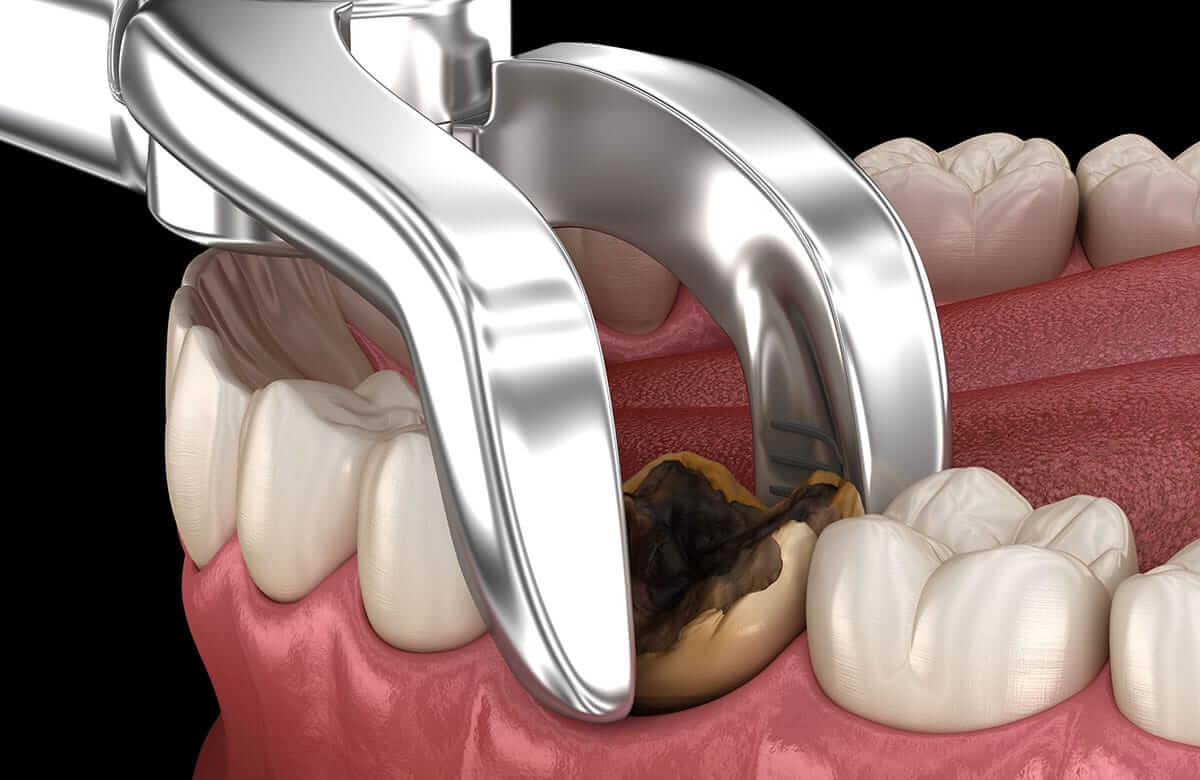
A Tooth Extraction (Complicated) is a type of oral surgery that is performed in situations where the tooth has been difficult to eliminate because of impactions, broken roots, unusual positioning, or hard bone. It might involve the elevation of a soft tissue flap, removal of hard bone, or dividing the tooth.
₱ 1,000-1,500
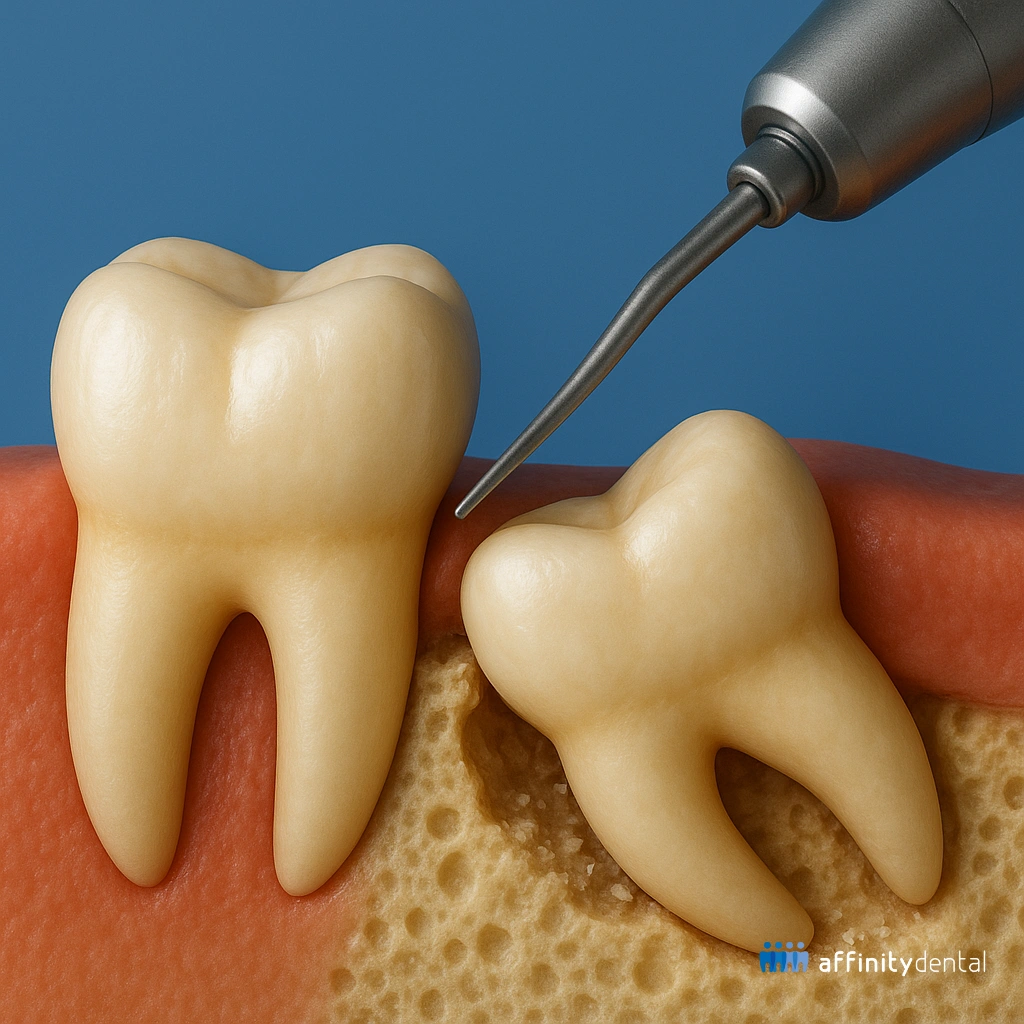
TOOTH EXTRACTION/BUNOT (IMPACTED TOOTH)
Tooth extraction (Impacted Tooth) is a dental operation that aims to extract a tooth that has partially emerged and got stuck beneath the gum or bone or was not able to come through. Tooth extraction may include the process of cutting the gum and bone to avoid any difficulties during the procedure.
₱ 5,000-12,000
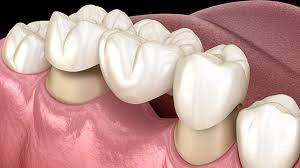
CROWN/BRIDGE (ACRYLIC)
An Crown/Bridge (Acrylic) is a temporary or provisional dental restoration used for restoring a damaged tooth or replacing missed teeth pending the fabrication of a final dental restoration.
₱ 2,500
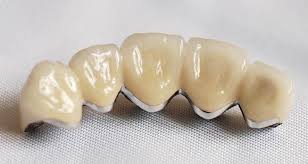
CROWN/BRIDGE (PFMC REGULAR)
Crown/Bridge (PFMC Regular) have a fixed dental restoration that uses the power of a metal framework along with the look of porcelain. The crown is used for covering broken teeth, whereas the bridges are used for replacing missing teeth by anchoring to the adjacent teeth.
₱ 6,000
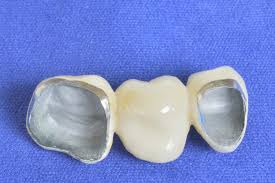
CROWN/BRIDGE (PFMC MID)
Crown/Bridge (PFMC Mid) is a permanent dental appliance or a crown/bridge used for restoring natural teeth when moderate strength and esthetic demands are presented. This dental appliance consists of a base of metal combined with a layer of porcelain.
₱ 8,000
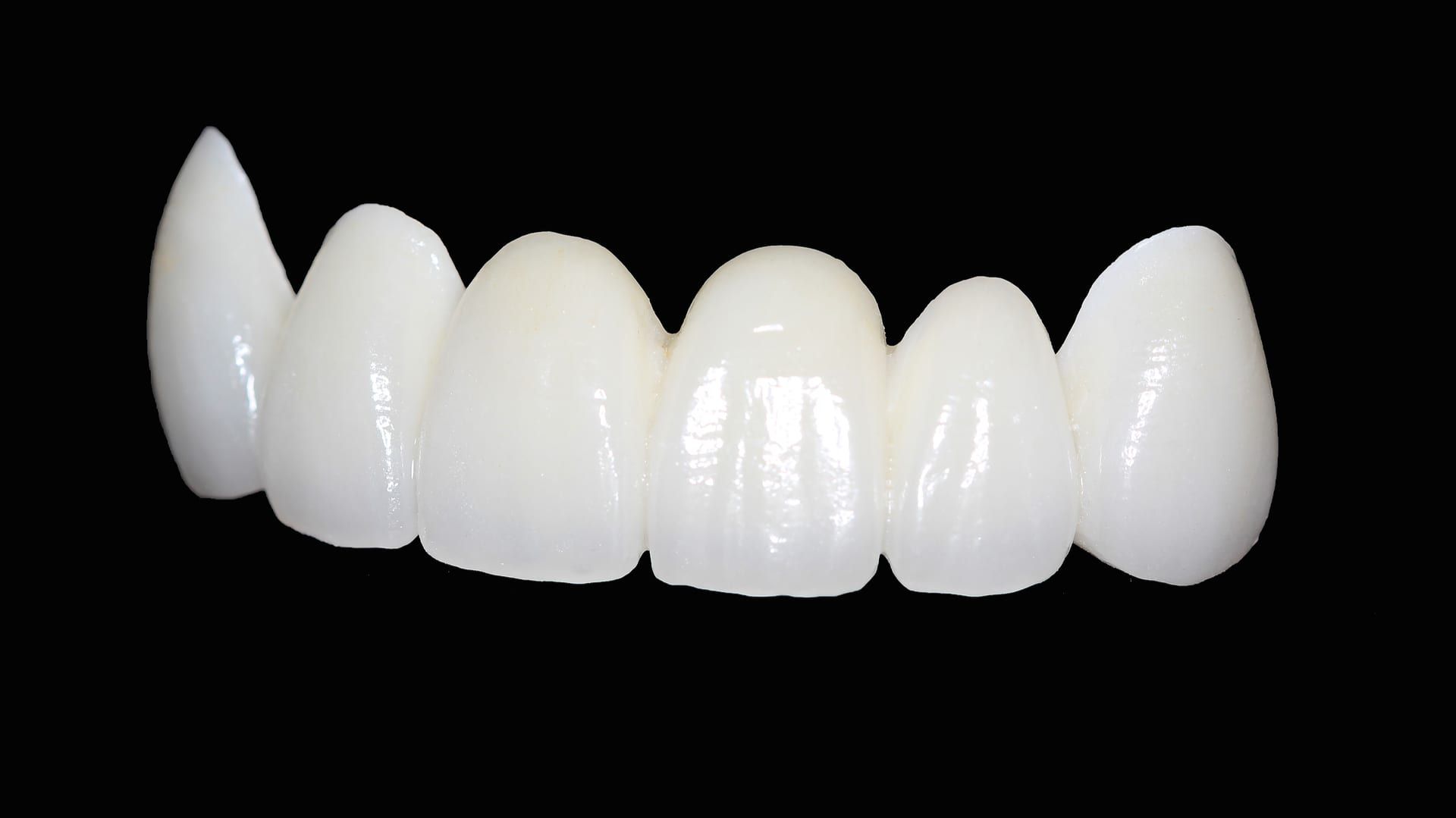
CROWN/BRIDGE (PFMC HIGH)
Crown/Bridge (PFMC High) is a permanent dental restoration designed for teeth that require maximum strength and superior esthetics. It consists of a high-quality metal substructure for durability and premium porcelain overlay for a natural, highly esthetic appearance.High is a permanent dental restoration designed for teeth that require maximum strength and superior esthetics. It consists of a high-quality metal substructure for durability and premium porcelain overlay for a natural, highly esthetic appearance.
₱ 12,000
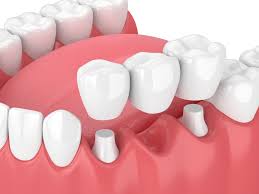
CROWN/BRIDGE (ALL PORCELAIN)
Full Porcelain Crown/Bridge An all-porcelain crown/bridge is a fixed dental restoration made entirely out of porcelain for optimal esthetics. It does not contain any metal like that of a PFMC restoration; hence, there is natural tooth translucency like that of natural teeth.
₱ 15,000-20,000
_1767973650.jpeg)
ORTHODONTICS (REGULAR SS BRACKETS)
Regular Stainless Steel (SS) brackets are a sort of fixed orthodontic appliance that can be used to treat malocclusion, misalignment of teeth, or bite discrepancies. These stainless steel orthodontic brackets are quite effective as they cost less.
₱ 50,000-60,000
_1767973962.jpeg)
ORTHODONTICS (PREMIUM SS BRACKETS)
Premium stainless steel (SS) brackets represent an innovative fixed orthodontic appliance designed for the treatment of malocclusion and tooth alignment. These brackets are more precise and provide better comfort for the patient compared to standard stainless steel braces.
₱ 60,000-80,000
_1767974108.jpeg)
ORTHODONTICS (CLEAR BRACKETS)
Orthodontics (Clear Brackets) are a type of fixed orthodontic appliance made from ceramic or transparent materials, designed to straighten teeth and correct bite issues while being less noticeable than metal brackets, offering a more esthetic option for patients.
₱ 80,000-115,000
_1767974283.jpeg)
ORTHODONTICS (SELF-LIGATING BRACKETS)
Self-ligating braces are considered a fixed orthodontic appliance, which uses a clip or slide system within the braces to hold the wire, thus preventing the need for elastic or metal ligatures. They promote more efficient tooth movement and are even more comfortable compared to traditional braces.
₱ 80,000-100,000
_1767974646.jpeg)
ORTHODONTICS (INVASALIGN)
Invisalign focuses on the concept of clear aligners in the form of an ortodontic system that helps straighten teeth using a sequence of personalized aligners made from transparent plastic material that are removable for convenience and cosmetic appeal
₱ 150,000-200,000
_1767974833.jpeg)
ORTHODONTICS (FUNCTIONAL APPLIANCE)
A functional appliance is a fixed or removable unit of an orthodontic design that attempts to alter growth direction or function to produce correct tooth alignment in conjunction with changes in jaw position or growth. Generally, functional appliances target juveniles to alter growth direction before it results in an unfavorable final dentofacial structure." Another name for functional appliances is functional jaw appliances.
₱ 15,000
_1767974964.jpeg)
ORTHODONTICS (WIRE RETAINER UPPER & LOWER)
Wire retainers are fixed or removable appliances that retain the position of the teeth after active orthodontic therapy. They function to prevent relapse following active treatment and guarantee post-treatment stability in occlusion or tooth alignment.
₱ 8,000
_1767975317.jpeg)
PEDIATRICS (SEALANTS)
Dental sealants are a preventative dental care procedure done on the biting surfaces of children’s teeth, specifically the molars or premolars. Dental sealants work as a barrier on the teeth, preventing bacterial buildup or food, which accumulates in the fissures or pits of the teeth.
₱ 700-800
_1767975487.png)
PEDIATRICS (EXTRACTION)
Pediatric tooth extraction refers to the tooth extraction procedure undertaken in the pediatric population for the removal of either the primary or, on occasion, the permanent teeth in children because of decay, infection, trauma, or orthodontic reasons.
₱ 500-700
_1767976063.jpeg)
PEDIATRICS (STAINLESS STEEL CROWN)
Stainless Steel Crown (SSC): An SSC refers to a preformed metal crown that has applications in pediatric dentistry to restore primary teeth that are severely carious or fractured due to treatment of the pulp. The crown gives maximum protection to the tooth till its exfoliation.
₱ 3,500-4,000
_1767976507.jpeg)
PEDIATRICS (SPACE MAINTAINER)
It is a fixed or removable appliance used in kids to maintain space in case a primary tooth is lost earlier than usual. This helps in proper alignment and emergence of the permanent successor. It prevents the adjacent teeth from shifting.
₱ 2,500-3,500
_1767976961.webp)
IMPLANTS (BONE AUGMENTATION)
Bone augmentation is a surgery carried out to improve the volume and quality of a jawbone, where implants will be placed but where there is inadequate supporting bone. It is a procedure a dentist may undertake to guarantee successful implant placement.
₱ 25,000
_1767977095.webp)
IMPLANTS (DENTAL IMPLANT SCREW)
A Dental Implant Screw is a titanium or titanium alloy screw that is surgically inserted into the jawbone to serve as an anchor root for an implant-supported tooth crown, bridge, or overdenture. This screw is known to integrate with the bone by a technique known as osseointegration.
₱ 35,000
_1767977219.jpeg)
IMPLANTS (DENTAL IMPLANT ABUTMENT)
The dental implant abutment is the connecting element attached to the cured dental implant screw, which supports and secures the final prosthetic restoration (crown, bridge, or denture). It serves as the interface between the implant and the visible restoration.
₱ 35,000
_1767977337.jpeg)
IMPLANTS (DENTAL IMPLANT CROWN)
A dental implant crown is essentially the final prosthetic replacement that attaches to a dental implant abutment. It is made for the express purpose of replacing a lost tooth in function, esthetics, and occlusion, while replicating the look and action of a natural tooth.